Martyn’s Law
A practical guide to the Terrorism (Protection of Premises) Act 2025, and how professional two-way radio systems help venues meet their communication obligations. The Terrorism (Protection of Premises) Act 2025 places a legal duty on those responsible for qualifying public premises and events to consider the risk of terrorism and put proportionate protective measures in place.
The legislation is named in memory of Martyn Hett, one of the 22 people killed in the Manchester Arena attack on 22 May 2017. His mother, Figen Murray, campaigned for the introduction of protective security requirements at public venues.
Rather than prescribing specific technologies, Martyn’s Law focuses on outcomes. Qualifying venues must have documented procedures covering four key areas.


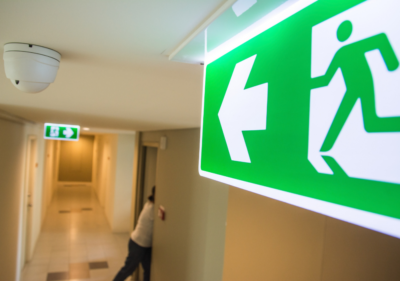
Evacuation
Safely moving people out of the premises and away from danger.
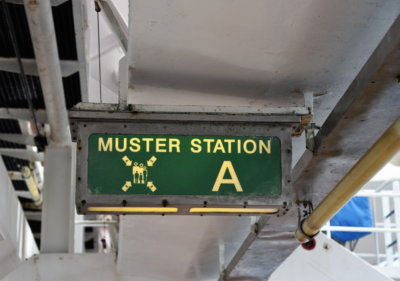
Invacuation
Moving people to a safe area within the premises.
Lockdown
Securing the premises to prevent entry or exit.

Communication
Ensuring staff can communicate effectively during an incident.
Who does Martyn’s Law apply to?
The legislation operates on a two-tier system based on venue capacity.
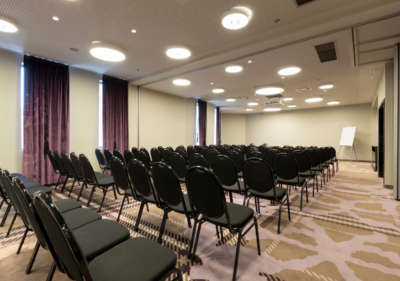
Standard Tier
200 – 799 people
- Notify the SIA
- Public protection procedures for evacuation, invacuation, lockdown and communication
- Staff trained and plans documented
- Physical security measures not mandated
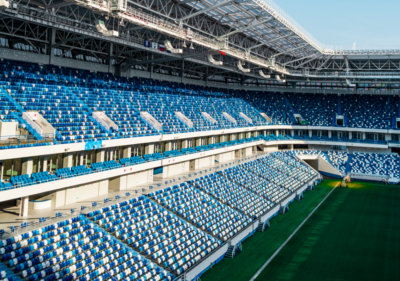
Enhanced Tier
800+ people
- Documented risk assessment
- Detailed security plan submitted to the SIA
- Designated senior individual responsible for compliance
- Formal compliance documentation
Penalties for non-compliance
Standard Tier
Up to £10,000
Enhanced Tier
Up to £18m or 5% of worldwide revenue
Qualifying venues include stadiums, arenas, shopping centres, conference centres, universities, theatres, concert halls, exhibition spaces, hotels, places of worship, and any publicly accessible site that meets the capacity threshold. According to industry analysis, 65% of affected sites fall within the retail and hospitality sectors.
Why Two-Way Radios in an Emergency?
Most venues have evacuation plans and risk assessments. The gap we see time and again is communication: how staff actually reach each other when an incident is unfolding.
| Scenario | Mobile phone | Two-way radio |
|---|---|---|
| Network goes down | ✗No communication |  Operates independently |
| Reach entire team at once | ✗One call at a time | One button, whole team |
| Speed of contact | ✗Unlock, find, dial, wait | Instant push-to-talk |
| Noisy environment | ✗Difficult to hear | Built for high-noise |
| Network congestion | ✗Degrades with crowds | Dedicated frequencies |
| Encryption | ✗Standard calls unencrypted | AES 256-bit available |
During the Manchester Arena attack, mobile networks in the surrounding area experienced severe congestion. Two-way radio systems operate on dedicated frequencies and do not depend on mobile networks, Wi-Fi, or the internet. They continue to function when everything else fails.
What does a compliant setup look like?
Martyn’s Law does not mandate specific technology. However, the Home Office’s statutory guidance (published April 2026) makes clear that venues must demonstrate effective, reliable communication procedures.
Instant Group Communication
Reach your entire team with one message, not a chain of individual calls.
Full Site Coverage
No dead zones. Basements, loading bays, car parks and rooftops all reachable.
Encrypted Communications
For sensitive operations, unsecured channels present a compliance risk.
Network Independence
Your system should function regardless of mobile network status.
Lone Worker Protection
Staff in remote areas need man-down detection and emergency buttons.
The MOTOTRBO™ R Series
Motorola’s latest professional digital radio range, purpose-built for demanding venue environments.
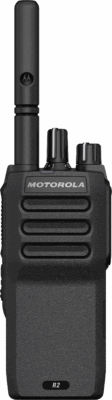
MOTOTRBO™ R2
Entry level
Greater range, more channels, and clearer audio than licence-free alternatives.
- Licensed digital radio
- Compact and lightweight
- Ideal for mid-sized venues
- Easy to deploy
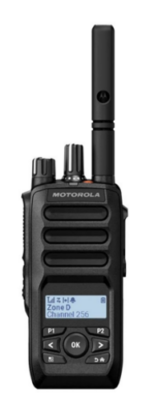
MOTOTRBO™ R5
Professional
AI noise suppression, 32-hour battery, IP67 waterproofing for large, complex venues.
- AI-trained noise suppression
- 32-hour battery life
- IP67 dust-tight and waterproof
- Meets MIL-STD-810 requirements
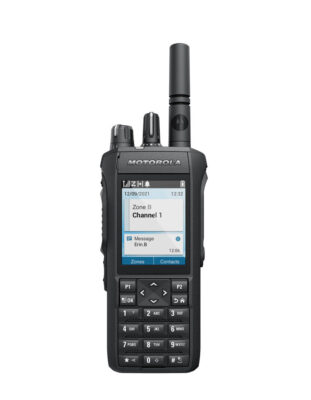
MOTOTRBO™ R7
Flagship
Full-colour display, AES 256-bit encryption, and system integration for enhanced tier venues.
- Full-colour display
- AES 256-bit encryption
- CCTV & access control integration
- Multi-zone operations
Repeater and infrastructure solutions: For larger venues (stadiums, shopping centres, multi-building campuses), portable radios alone may not provide adequate coverage. We design and install repeater systems tailored to your site’s specific layout, eliminating dead zones and ensuring coverage from perimeter to core.
Short-term hire for events
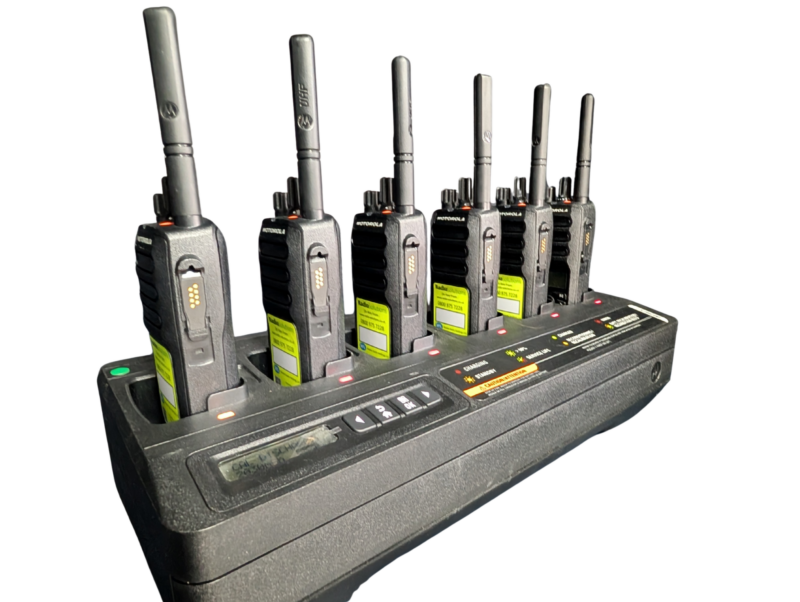
Not every venue needs a permanent radio fleet. If your site hosts large-scale events once or twice a year, hiring radios for those dates is a practical, cost-effective alternative.
- Radios ready to use out of the box.
- Digital Motorola Two Way radios
- Charger included and if required additional accessories such as earpieces.
- Radios fully programmed
- The radios will operate on SFL’s Ofcom licence
- Easily transportable box



How SFL Mobile Radio can help
We have been designing communication systems for complex, high-capacity environments for over 30 years. As Motorola Platinum Partners, we supply, install, and maintain radio systems for venues across the UK.
Site Surveys
We assess your venue’s layout, identify coverage gaps, and design a system around your specific requirements. Free of charge.
System Design & Installation
From single-site deployments to multi-building infrastructure with repeaters and base stations.
Flexible Hire Packages
Short-term hire for events and seasonal peaks. Fully maintained, delivered to your door.
Ongoing Support
Maintenance, programming, and remote firmware updates to keep your system current and compliant.
Martyn’s Law FAQs
Does Martyn’s Law require two-way radios?
No. The legislation does not mandate specific technology. However, venues must demonstrate effective communication procedures, and two-way radios are the most widely adopted solution for instant, reliable group communication in venue environments.
When does enforcement begin?
The Act received Royal Assent on 3 April 2025. Enforcement is expected to begin no earlier than Spring 2027. The Home Office published its statutory guidance in April 2026 and the SIA is currently developing its regulatory framework.
Can I hire radios instead of buying them?
Yes. Short-term hire is ideal for venues that host large events periodically rather than operating at high capacity permanently. Equipment is fully maintained, delivered ready to use, and operates under SFL’s Ofcom licence.
What if we already have radios?
We can assess your existing system to identify whether it meets the communication requirements outlined in the Home Office’s guidance. If upgrades or additional coverage is needed, we will recommend the most cost-effective solution.
My venue is under 800 capacity. Do I still need a professional system?
Standard tier venues (200–799) have lighter obligations but still need documented communication procedures. Smaller venues can use licence-free PMR446 radios, which cost less and need no licence, but they are limited to low power and short range and use shared, unprotected channels. Depending on your layout and operations, a professional system may be the most reliable way to meet those requirements.
What are the penalties for non-compliance?
Standard tier venues face fines of up to £10,000. Enhanced tier venues face fines of up to £18 million or 5% of worldwide revenue, whichever is greater. The SIA can also issue compliance, restriction, and closure notices with as little as 72 hours’ notice.
Start preparing for Martyn’s Law today
Tell us your venue type and capacity and we’ll recommend the right system for your requirements.
Contact Us
Head Office
0151 334 9160
London Office
0203 621 7559
Email:
sales@sflmobileradio.co.uk
Open 8am -5:30pm
Monday to Friday
We aim to respond to all enquiries within 2 business hours
This article was last updated in November 2026. Martyn’s Law (the Terrorism (Protection of Premises) Act 2025) is expected to come into force in Spring 2027. The information provided is for general guidance only and does not constitute legal advice.
Accreditations